How to Create a Wedding Budget That Actually Works

The Manor at River Run • September 29, 2026

Planning a wedding should be exciting—but somewhere between falling in love with a venue,

choosing flowers, tasting cake, and discovering just how much beautiful linens can cost, the

numbers can start to feel a little overwhelming.


The good news? A wedding budget doesn’t have to take the joy out of planning. In fact, a

thoughtful budget can do just the opposite. It gives you the freedom to spend confidently on the

things you truly care about—and helps prevent unwelcome surprises as the big day gets closer.


The key is to create a budget that reflects your priorities, not someone else’s idea of what a

wedding “should” cost.


Start With the Number You’re Comfortable Spending


Before touring venues or signing contracts, decide how much you can realistically—and comfortably—spend on your wedding.


Consider your own savings, any contributions from family, and other funds you know will be available. Then set a firm maximum.


The word comfortably matters here. Your wedding is one wonderful day, and you don’t want to begin married life regretting what you spent to create it.


Once you know your total number, you can start deciding where that money matters most.


Decide What Matters Most to You


Here’s where wedding budgeting becomes personal.


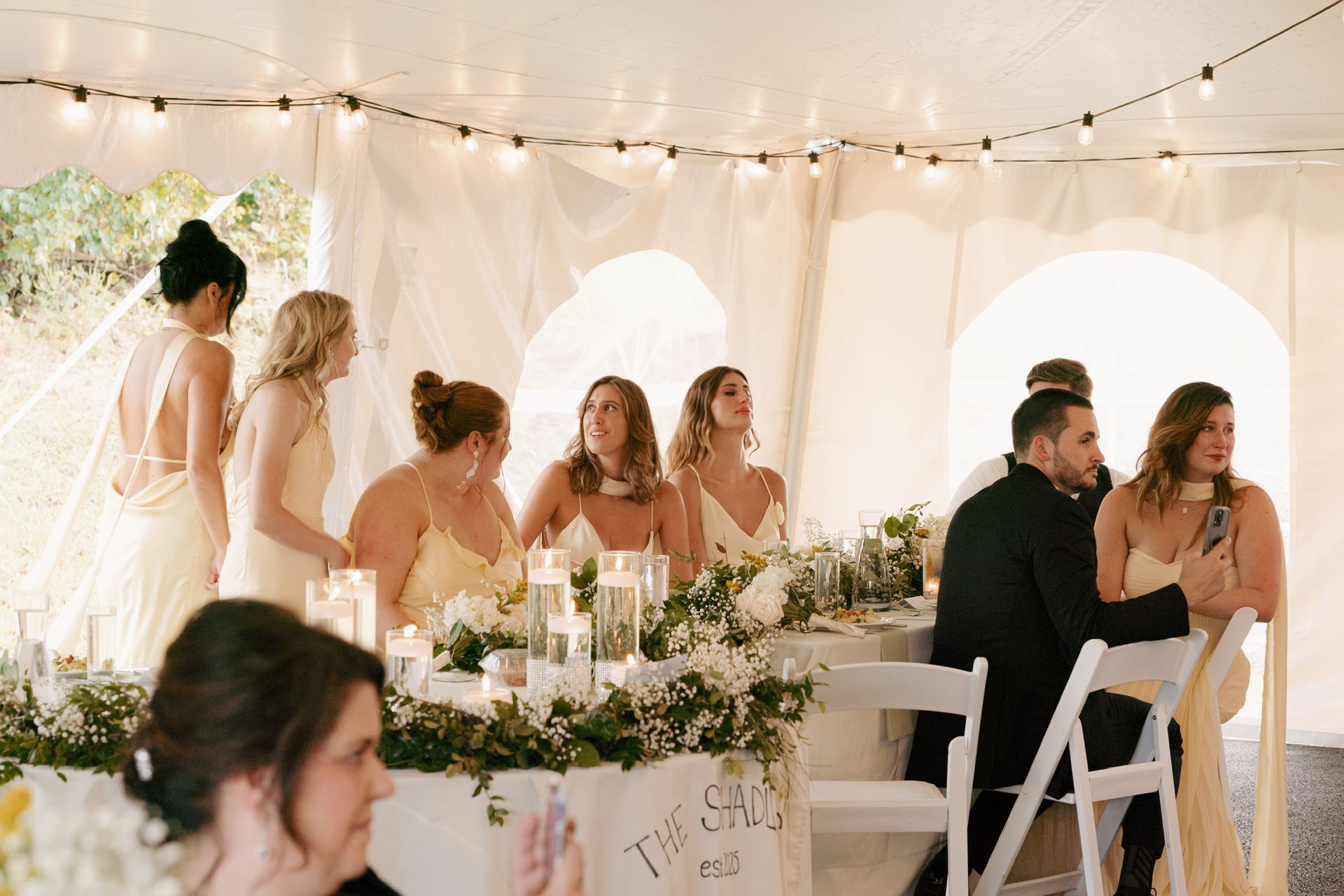
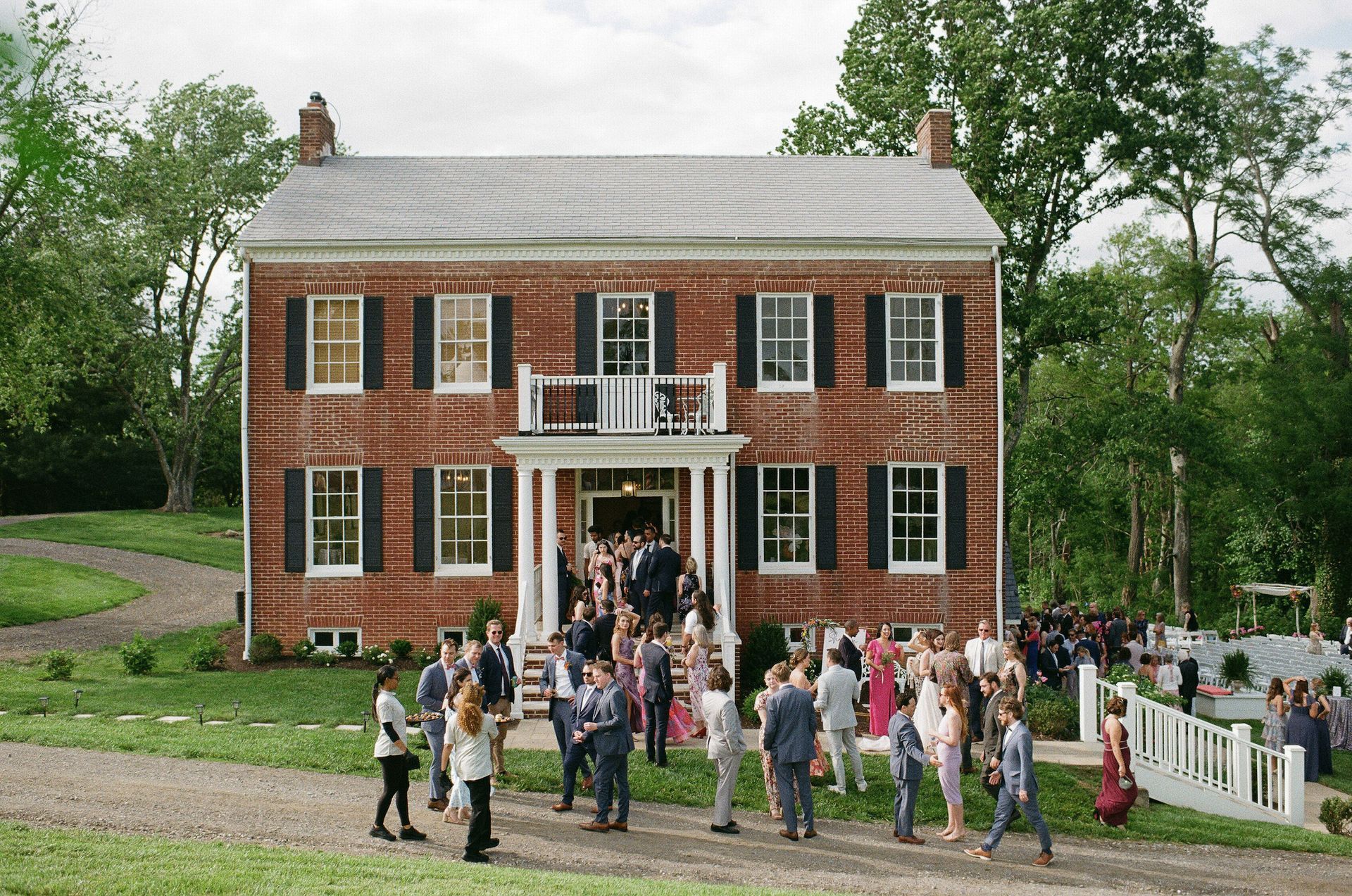
Sit down together and choose three or four things that are especially important to you. Maybe you’re food lovers and want an incredible dinner. Perhaps beautiful photography is non-negotiable because those images will be with you for decades. Maybe you’ve always imagined an outdoor ceremony surrounded by beautiful grounds, followed by dinner and dancing under a tent.


There’s no universally “correct” answer.


Spend more generously on the things that will make your wedding feel like your wedding, and be willing to simplify elsewhere.
  • Slide title

    Write your caption here
    Button
  • Slide title

    Write your caption here
    Button
  • Slide title

    Write your caption here
    Button


Build Your Wedding Budget by Category


Now it’s time to put everything on paper (or in a spreadsheet!). Click here for a downloadable resource.


Start with the major expenses:

  • Venue, catering, and rentals
  • Photography and videography
  • Wedding attire and alterations
  • Flowers and décor
  • Music and entertainment
  • Invitations and stationery
  • Hair and makeup
  • Cake and desserts
  • Transportation
  • Wedding planner or coordinator
  • Favors and guest extras
  • Miscellaneous: License, tips, gratuities, etc.


Once you see everything together, you can begin assigning an estimated amount to each category.


You may see recommendations suggesting that couples devote a particular percentage of their budget to each expense. Those percentages can be useful as a starting point—but they aren’t rules.


A couple dreaming of an elaborate floral installation may spend very differently from a couple whose top priorities are photography and live music. Your budget should reflect what matters to you.


Don't Forget the Less-Exciting Expenses


It’s easy to remember the dress, flowers, photographer, and cake. It’s the smaller expenses that have a habit of sneaking up on couples.


Think about alterations, gratuities, vendor meals, delivery charges, transportation, postage, parking, permits, ceremony accessories, signage, last-minute décor, and all those little items purchased during the final weeks before the wedding.


Individually, they may not seem significant. Together, they can make a noticeable difference.


That’s why we recommend including a miscellaneous fund in your budget from the beginning. Think of it as breathing room rather than money you need to spend.


Track What You’ve Committed—Not Just What You’ve Paid


One of the easiest budgeting mistakes is looking at your bank account and thinking you have more wedding money available than you actually do.


For every vendor or expense, keep track of:


Estimated Cost | Contracted Cost | Deposit Paid | Balance Due | Due Date


That last column—due date—is especially important.


Wedding payments tend to arrive in waves, and several final balances may be due during the weeks leading up to your wedding. Knowing what is coming and when makes those final weeks much less stressful.


A Simple Wedding Budget Checklist


Your spreadsheet or wedding-planning notebook might include:


  • Venue
  • Catering
  • Rentals
  • Photography and videography
  • Band or DJ
  • Florals and décor
  • Wedding attire and alterations
  • Hair and makeup
  • Invitations and stationery
  • Cake and desserts
  • Transportation
  • Planner or coordinator
  • Marriage license and permits
  • Favors and guest amenities
  • Miscellaneous: license, tips, gratuities, etc.


For each category, record your budgeted amount, actual cost, amount paid, balance remaining, and payment due date. Or you can download the attached spreadsheet and fill in the

blanks — we’ve made this template with simplicity in mind!


One Final Piece of Advice


A beautiful wedding isn’t beautiful because every possible detail was included.


It’s beautiful because it feels intentional.


Choose the things that matter most to you, spend thoughtfully on those things, and give yourself permission to say no to the things that don’t add meaning to your celebration.


Years from now, your guests probably won’t remember whether you upgraded every chair, added another favor, or chose the most expensive invitation suite.


They’ll remember how the evening felt—the setting, the celebration, the laughter, the food, the

dancing, and the joy of being together.


And ultimately, that’s what your wedding budget is there to help you create. Happy planning!

Share Article
By The Manor at River Run • March 11, 2026
Planning a wedding is often one of the most exciting yet demanding experiences in a couple’s life. To make the process smoother, many couples turn to wedding professionals—most commonly, wedding planners and wedding coordinators. Although their titles are sometimes used interchangeably, these two roles serve distinct purposes within the wedding industry. Understanding their differences can help couples decide which professional best suits their needs, budget, and level of desired involvement in the planning process. Scope of Responsibilities A wedding planner is primarily responsible for the entire wedding planning process, often starting months or even a year before the big day. Their work begins at the conceptual stage, helping the couple define their vision, theme, and budget. Planners typically assist with selecting venues, sourcing vendors such as florists, caterers, and photographers, and negotiating contracts. They may also help create and manage timelines, oversee décor styling, and handle logistical challenges. Essentially, a wedding planner is the project manager of the entire event. In contrast, a wedding coordinator focuses on the shorter-term execution of plans that have already been made by the couple or their planner. Coordination often begins about a month before the wedding and includes confirming vendor details, finalizing timelines, conducting rehearsals, and managing the actual day-of activities. The coordinator ensures that everything runs smoothly according to plan, allowing the couple and their families to relax and enjoy the celebration. In short, the coordinator handles the implementation, not the creation, of the wedding vision. Timing and Duration of Involvement Timing is one of the most significant distinctions between the two roles. A wedding planner’s involvement starts early and continues throughout the engagement, serving as a guiding hand during every decision-making stage. They form an ongoing relationship with the couple, often meeting regularly to review progress, make design decisions, and adjust plans as needed. A coordinator, on the other hand, is typically hired closer to the event date. Their work is concentrated in the final weeks before the wedding, ensuring that all the pre-arranged details come together seamlessly. For couples who enjoy handling most of the planning themselves but want professional assistance in the final stretch, a wedding coordinator can be the perfect solution. Skill Sets and Expertise Both roles require strong organizational skills, communication abilities, and attention to detail, but their areas of expertise differ. Wedding planners need creativity and design insight, as they are often tasked with developing the aesthetic and overall atmosphere of the event. They also need negotiation and budgeting skills to help couples maximize value while staying within financial limits. Wedding coordinators, however, excel at logistics and crisis management. They specialize in scheduling, vendor coordination, and troubleshooting unexpected issues on the wedding day. Their ability to think on their feet and maintain calm under pressure ensures that every element stays on track, no matter what surprises arise. Cost and Practical Considerations Because of their long-term involvement and broader responsibilities, wedding planners usually charge more than coordinators. Planner fees may include flat rates, hourly rates, or percentages of the overall wedding budget. Coordinators, with their limited engagement period, tend to be more affordable. For couples prioritizing cost-saving while still wanting professional support, hiring a coordinator for the final month can be an effective compromise. Choosing Between the Two The decision between a wedding planner and a coordinator depends largely on your preferences, availability, and comfort with the planning process. Couples who are busy, overwhelmed, or planning a large or destination wedding may find a planner indispensable. Those who enjoy managing details but want peace of mind on the day itself might choose a coordinator instead. Some couples even hire both—a planner to handle the big picture and a coordinator to oversee the execution. Conclusion  Though both wedding planners and wedding coordinators work toward the same goal—a smooth, stress-free, and memorable wedding—their roles differ in scope, timing, and focus. The planner designs and organizes the event from start to finish, while the coordinator ensures that all the pieces come together on the wedding day. Recognizing these differences allows couples to choose the right professional help for their unique needs, ensuring their special day unfolds exactly as they envision it.
By The Manor at River Run • August 15, 2025
Congratulations On Your Engagement! This exciting milestone marks the beginning of a new chapter in your life. As you embark on the journey towards your wedding day, there are several important steps to consider. Here are some tips on what to do after you receive the ring: Celebrate and Savor the Moment Before diving into wedding planning, take some time to enjoy your engagement: Bask in the glow: Spend a few days savoring this special time with your partner before announcing it to the world. Capture the moment: Take some ring selfies to commemorate this milestone. Plan an engagement photo shoot: Consider scheduling a professional photo session to document this special time in your lives. Begin Wedding Planning As you start planning your big day: Organize your materials: Create a designated email address for wedding-related communication and use planning tools to keep everything in one place. Research venues: Once you have a date in mind, start looking into potential wedding venues. Consider hiring a wedding planner: A professional can help guide you through the planning process and keep you on track. Discuss your vision: Have conversations with your partner about what you both want for your wedding day. Remember to Enjoy the Process Throughout your engagement: Have fun: Don't lose sight of the fact that you're preparing for a lifetime together. Take breaks: If planning becomes overwhelming, step back and focus on your relationship. Practice gratitude: Keep a list of people who send congratulatory cards or gifts so you can send thank-you notes. By following these steps, you'll be well on your way to planning a memorable wedding while enjoying your engagement period. Remember, there's no strict timeline to follow – do what feels right for you and your partner as you prepare for this exciting new chapter in your lives. Share the News Once you're ready to announce your engagement: Inform your inner circle: Tell your parents, immediate family, and closest friends before making a public announcement. Make it social: Share your news on social media platforms like Facebook or Instagram with a photo or status update. Consider an engagement party: While not mandatory, it's a great way to celebrate with loved ones Practical Considerations Take care of these practical matters early on: Ring maintenance: Get your engagement ring sized and insured to protect your precious gem. Set a budget: Have an honest conversation about your wedding budget and how you'll finance the event. Choose a date: Select a wedding date that works for you and your partner. Start a checklist: Create a personalized wedding planning checklist to keep track of tasks and deadlines. Remember, there’s no need to rush through these steps. Take your time, enjoy the process, and focus on what matters most — your love and commitment to each other. Your engagement is a unique and special time, so savor every moment as you embark on this exciting journey toward marriage.
By The Manor at River Run • February 2, 2023
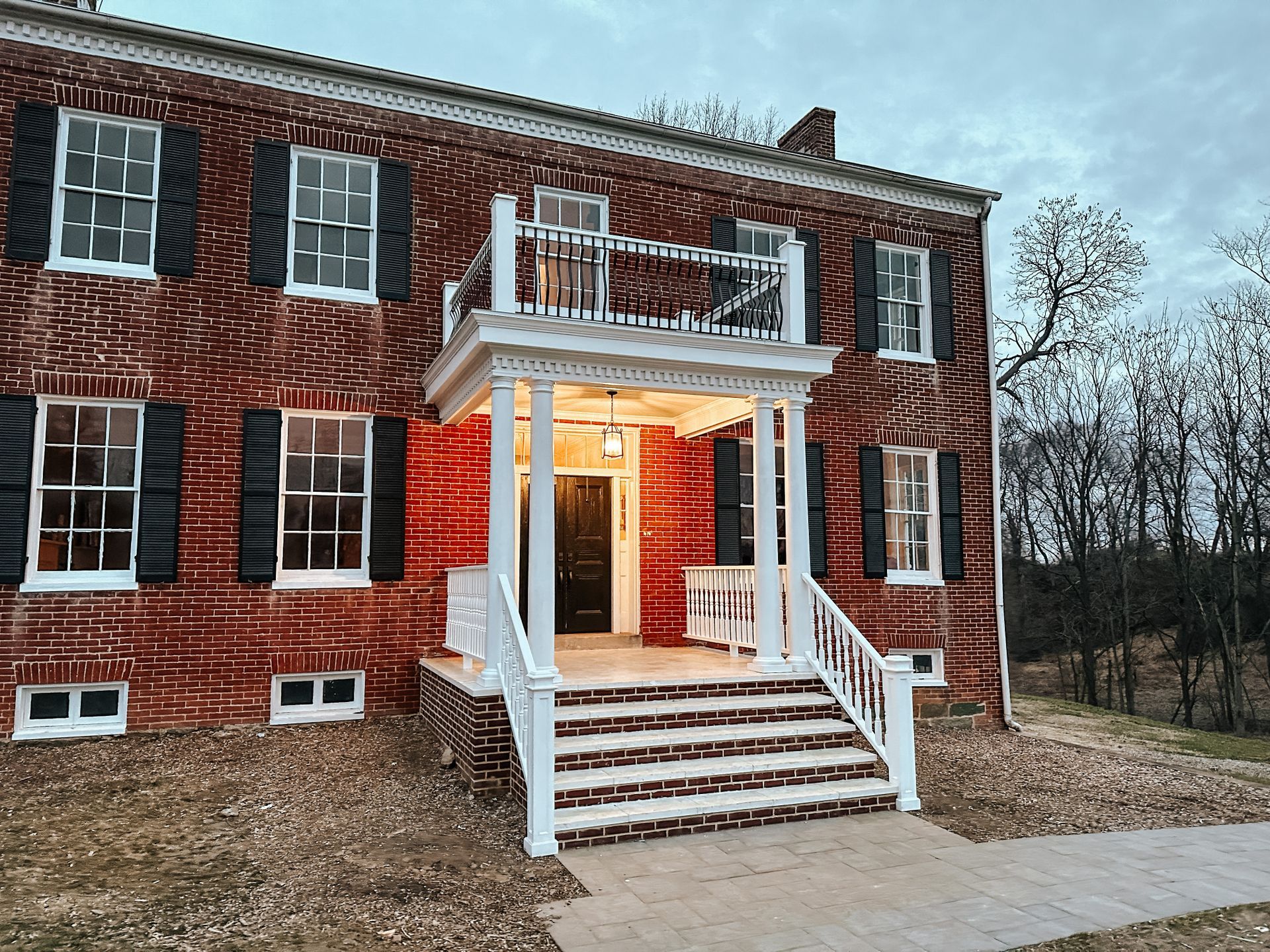
"I finally found it!" My daughter’s enthusiastic declaration jolted me from the stillness of an otherwise calm and predictable morning. With questions colliding in my mind (What had she found? Why the sense of urgency? Did I forget that she had been looking for something?), I managed to compose a coherent response. “That’s wonderful, dear! Tell me all about it,” I replied. Little did I know that this brief exchange would alter the course of our lives. My daughter, Whitney, had located a beautiful rural property for sale in Carroll County, Maryland. With 33 picturesque acres, a large manor home listed on the National Register of Historic Places, and a small cottage in need of some love, this hidden treasure built in 1861 would soon become home to some of us and the focus of a new family business venture for all of us. The catch was that the property was only available to tour for one week and offers were due by Friday evening. All of us had full lives, including careers and children, so finding a convenient time for a group visit was challenging. But once we viewed the details of the property online, we were united in our determination to carve out the time to head up to Westminster. So it was that one morning in April of 2021, my daughters Ashleigh and Whitney, my son Caleb, my son-in-law Luke, and my daughter-in-law Rachel arrived at the entrance to the property (or The Farm, as we like to call it) for an open house. Although we were in separate vehicles, our thoughts were remarkably alike. We will never forget the scene before us as we slowly rounded the corner by the large bank barn.